defend the dead


- Dates and Opening times
- Fri 5 Jun– Sun 21 JunTue – Sun, 11am – 6pm
- Venue
The School House, 217 Orr Street, G40 2BN
- Participants
- Tami Elkilani Inès Heddar Mana Tashakorinia Myles Westman
- Presented by
Tami Elkilani, Inès Heddar, Mana Tashakorinia, and Myles Westman
- Supported by
Glasgow International with funds from the Scottish Government's Festival EXPO Fund and Assumption Studios.
- Accessiblity
Level Access, Street Level: The venue has ramped or level access and/or lifts to upper floors
Toilets: The venue has toilets available for visitors, but these are not accessible
Accessible Toilets: The venue has a wheelchair accessible toilet
Gender Neutral Toilets: The venue has toilets not separated by gender or sex
Refreshments: There is a café or somewhere you can purchase refreshments
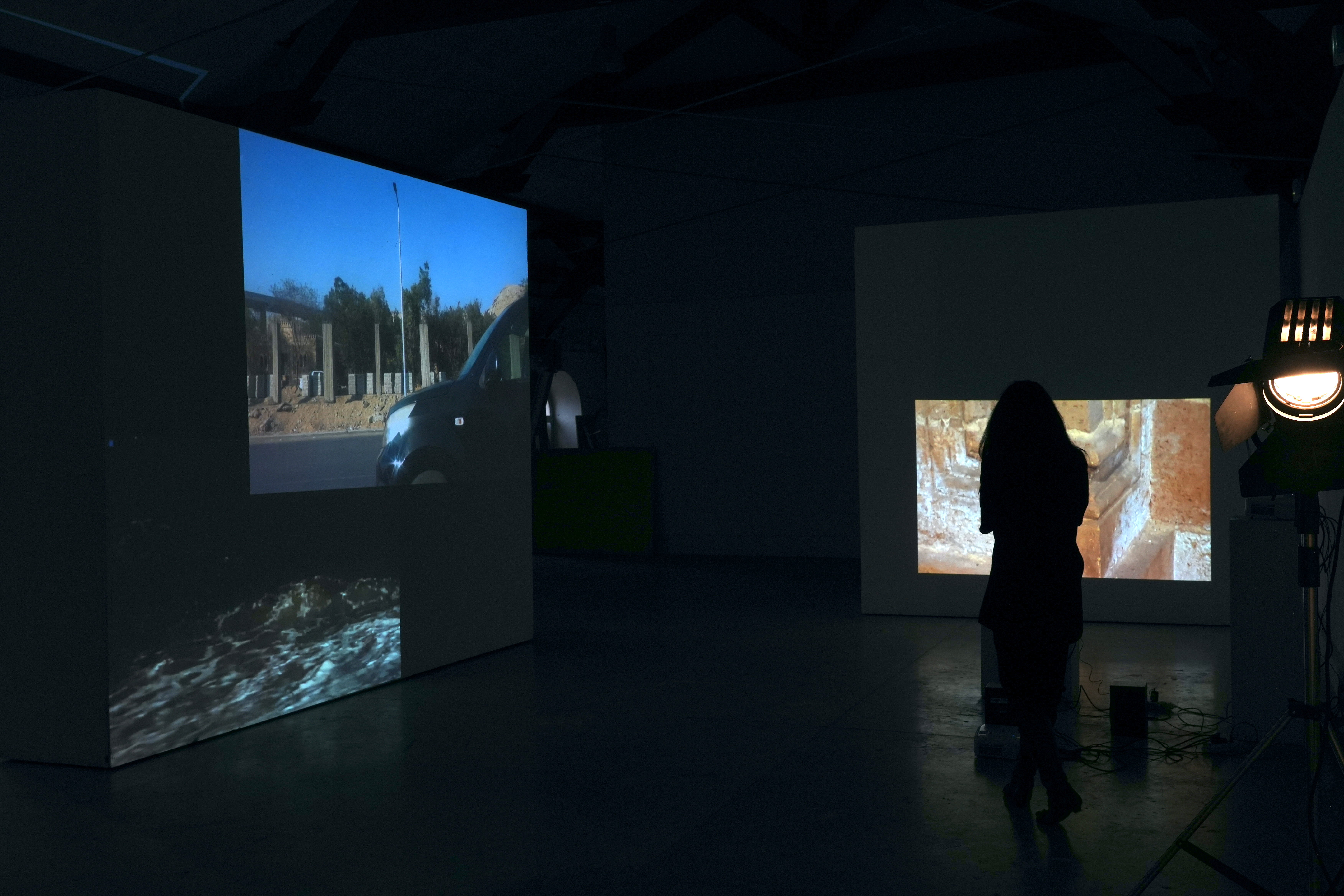
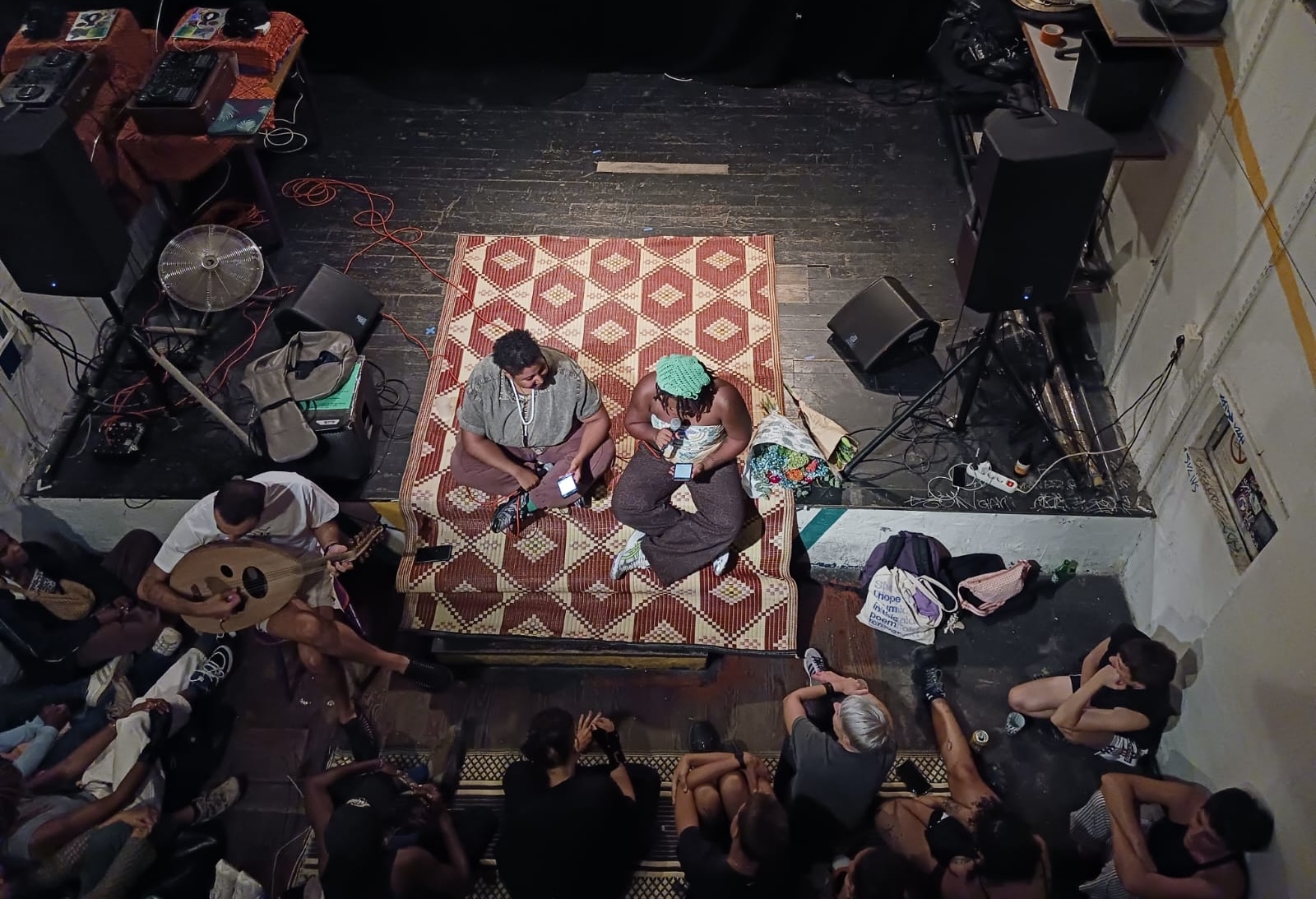
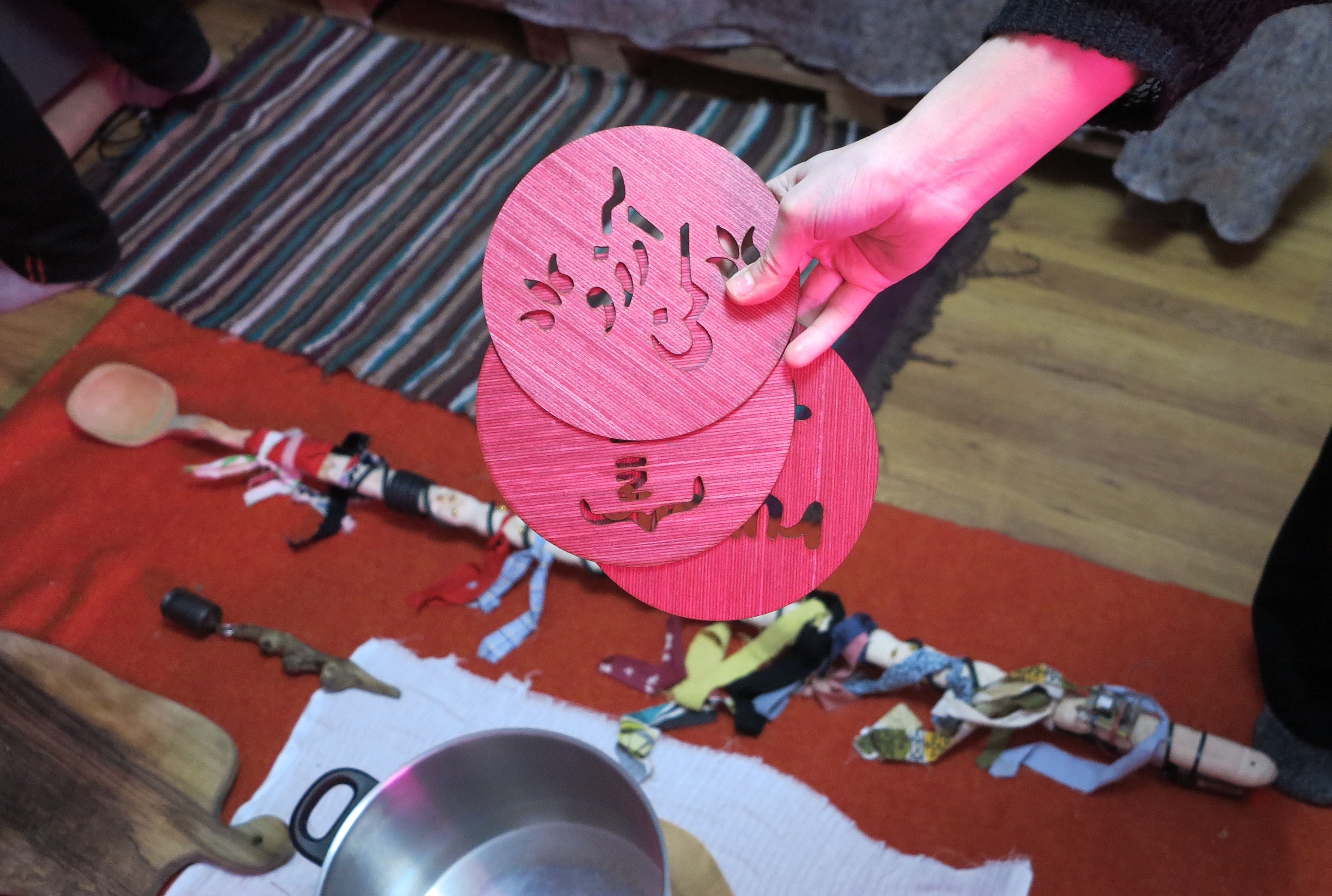
defend the dead is a collaborative exhibition of new work by artists Tami Elkilani, Inès Heddar, Mana Tashakorinia, and Myles Westman, that speaks from a shared diasporic language of cultural and historical displacement, rituals of grief, and archival salvage. Through moving image works, sonic installation, sculpture, and ceramics, the artists bear witness to the precarity of memory.
defend the dead bridges flashpoints across geographical loci including the systematic destruction of the City of the Dead in Cairo, the state-sanctioned murder of Joy Gardner in London, the loss of personal objects during forced migration from Libya, and historical disorientation and political violence in the context of Iranian occult practices. Aspiring to remember as an act of reparation rather than recollection, each work activates these sites of re/memory through fragmentation and fabulation, modes of storytelling that refuse captive notions of what can or cannot be known.
Sustaining collaboration and conversation across imagined borders, the artists weave together strands of archival research and ongoing personal experiences of mourning. Since first gathering as a cohort at Cittadellarte in Biella, Italy, in 2024, they continue to collaborate through an exchange of practices and decolonial knowledges, working from shared axes of political and cultural struggle.