

- Dates and Opening times
Fri 5 - Sun 21 Jun
Wed – Sun, 12pm – 6pm- Venue
5 Florence Street, G5 0YX
- Participants
- Camara Taylor Coneffluents Extense Zsuzsanna Ihar Maria Howard Sonia Levy Bint Mbareh Matthew Cosslett
- Presented by
16 Collective and FieldARTS; Curated by Kelly Rappleye with Nell Cardozo and Aga Młyńczak, Fred Carter
- Supported by
Creative Scotland and the Exhibitions Group Access Grant. Additionally supported by Glasgow International with funds from the Scottish Government's Festival EXPO Fund.
- Accessiblity
Level Access, Step Free: The venue has ramped or level access and/or lifts to upper floors
Accessible Toilets: The venue has a wheelchair accessible toilet
Baby Change: The venue has baby changing facilities
Bike Rack: There is cycle parking at the venue
Gender Neutral Toilets: The venue has toilets not separated by gender or sex
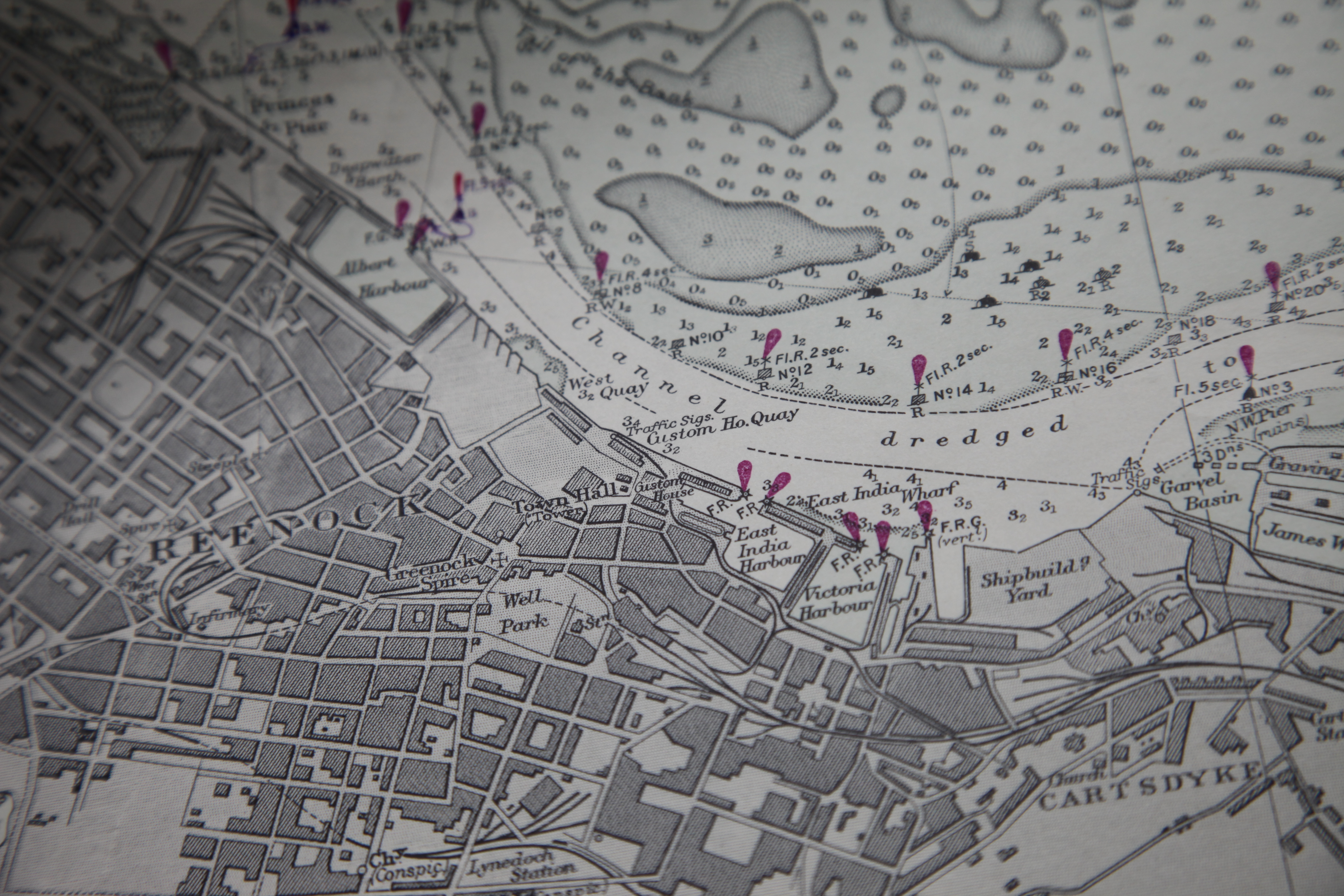
River is/as is a group exhibition curated by 16 Collective that takes the River Clyde as a critical geography: infrastructural, social, and ecological. Occupying a hydrological vantage point on the Second City of Empire, the exhibition presents a new body of work by FieldARTS developed over two years of artistic fieldwork, research voyages, and collaborative field study along the River Clyde corridor.
Once dredged and engineered as a logistical conduit for tobacco and sugar, the Clyde is increasingly envisioned through narratives of energy transition, militarised re-industrialisation, and urban renewal. At this material juncture of colonial sediments and transitional horizons, River is/as locates the Clyde as a geographic and poetic field, where extractive histories and military-industrial futurity exist in spectral proximity.
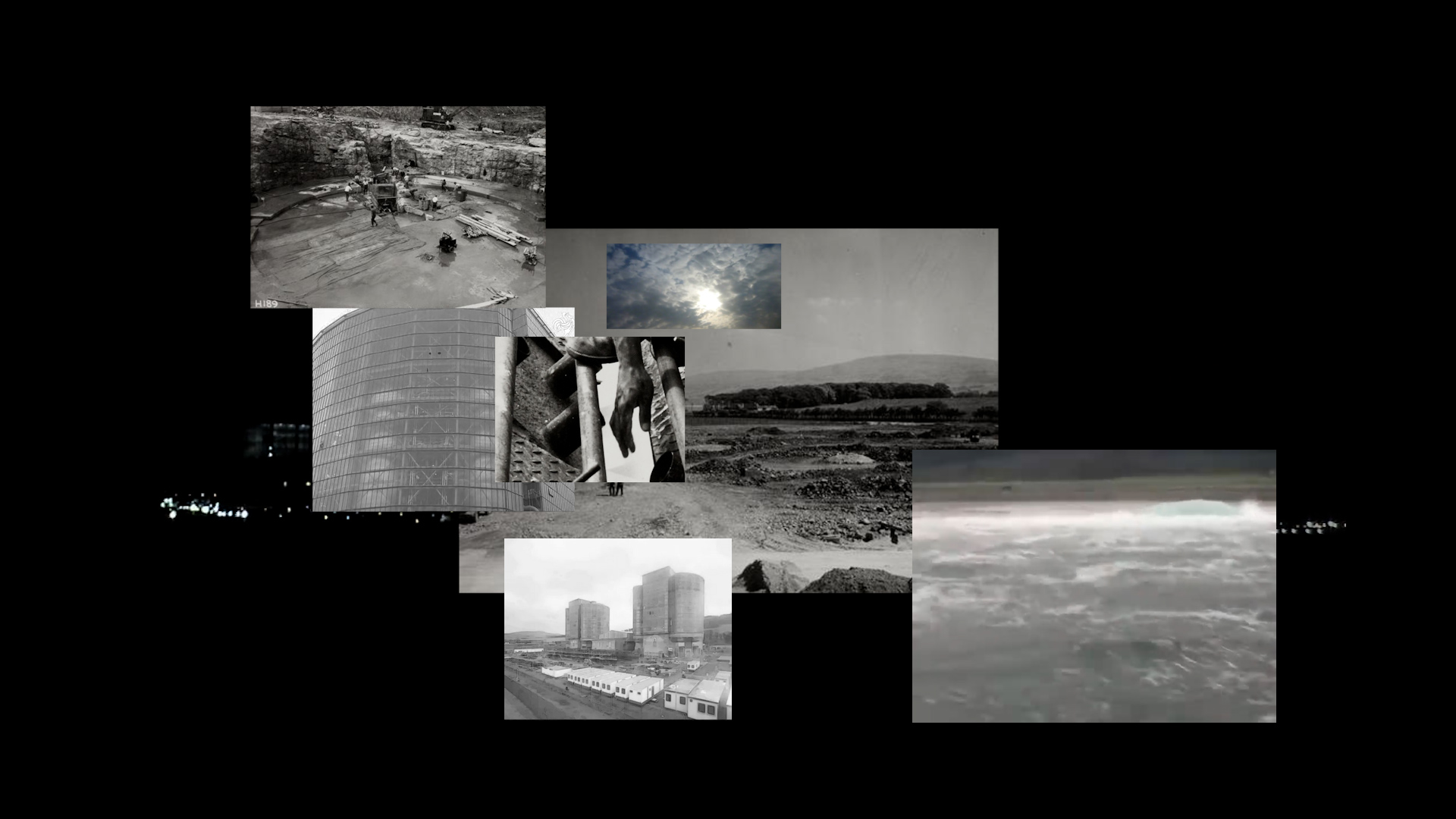
Featuring new works by FieldARTS artists Camara Taylor, Coneffluents (Jac Common and Katy Lewis Hood), Extense (Dianne Burdon and Clara Hancock), Zsuzsanna Ihar, Maria Howard, Sonia Levy and Bint Mbareh, and Matthew Cosslett, the exhibition presents immersive installations, moving images, and sonic environments that map the Clyde’s estuarine pasts and infrastructural futures. From Govan Graving Docks to Hunterston and Cumbrae, the works attune to hydrological lineages of power down the Clyde by repurposing thermal-imaging and subsea surveillance technology, or counter-mapping petrochemical toxicity.