Strange Evidence


- Dates and Opening times
Fri 5 Jun- Sun 21 Jun,
Mon - Sun, 12pm - 6pm- Venue
Offline, 138 Niddrie Road, G42 8PR
- Participants
- Michelle Williams Gamaker
- Presented by
Offline, curated by Lydia Honeybone
- Supported by
Co-commissioned by Matt's Gallery and Offline. Supported by Creative Scotland, the Bukhman Foundation and Cockayne Grants for the Arts. Additional support from Goldsmiths, University of London, Kingston University, The British Academy and Arts Council England.
- Accessiblity
Level Access, Step Free: The venue has ramped or level access and/or lifts to upper floors
Toilets: The venue has toilets available for visitors, but these are not accessible
Gender Neutral Toilets: The venue has toilets not separated by gender or sex
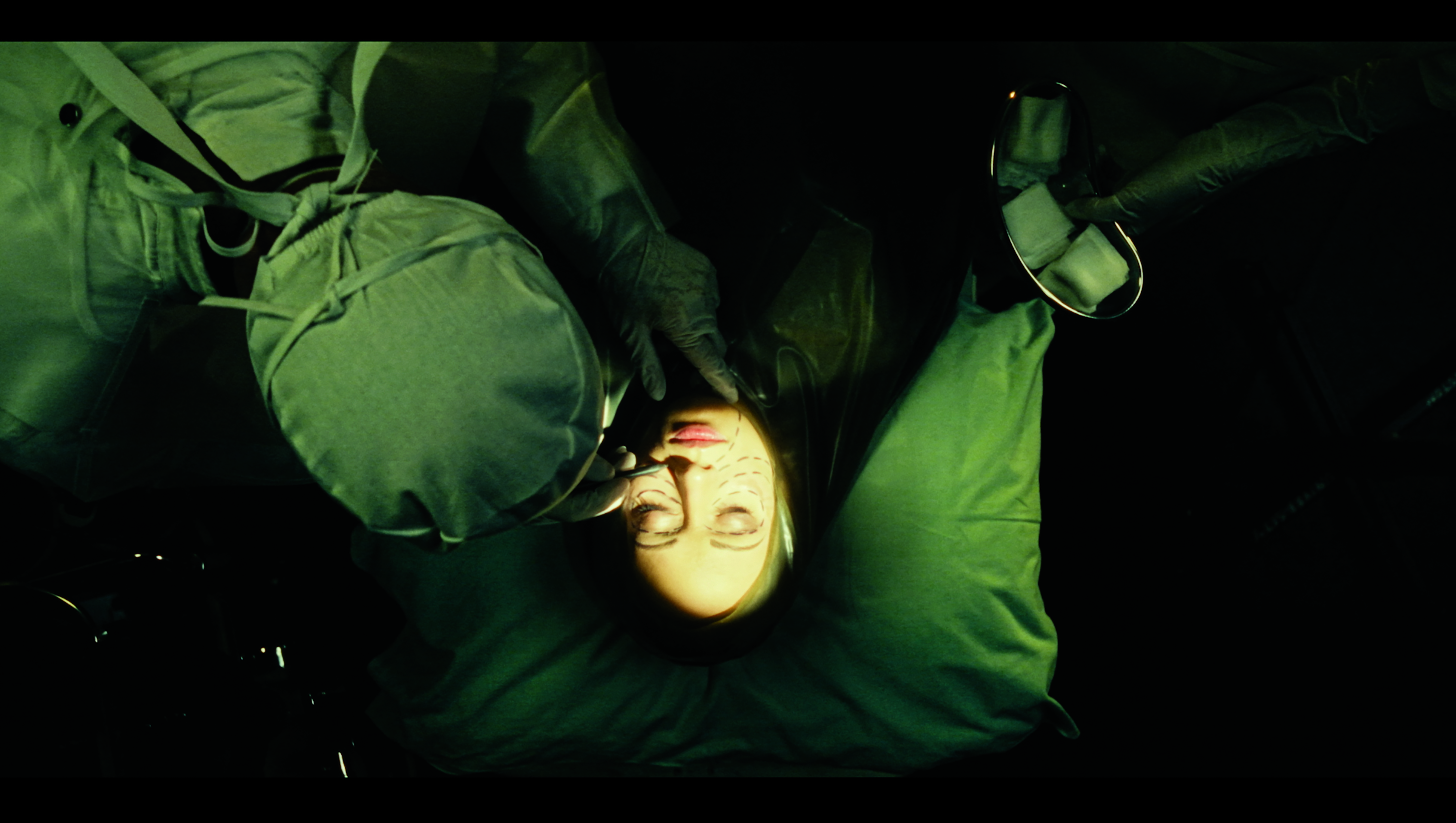
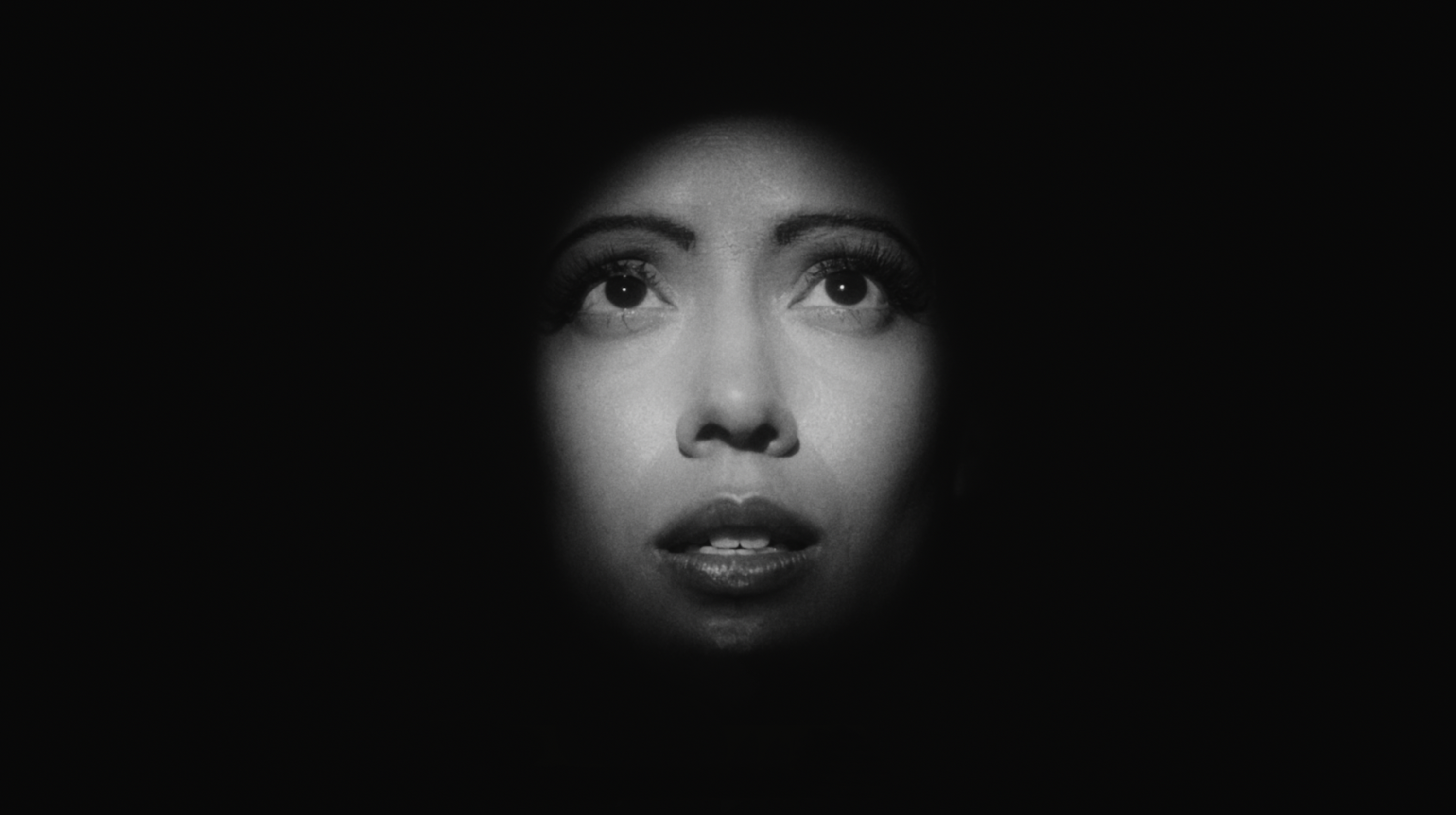
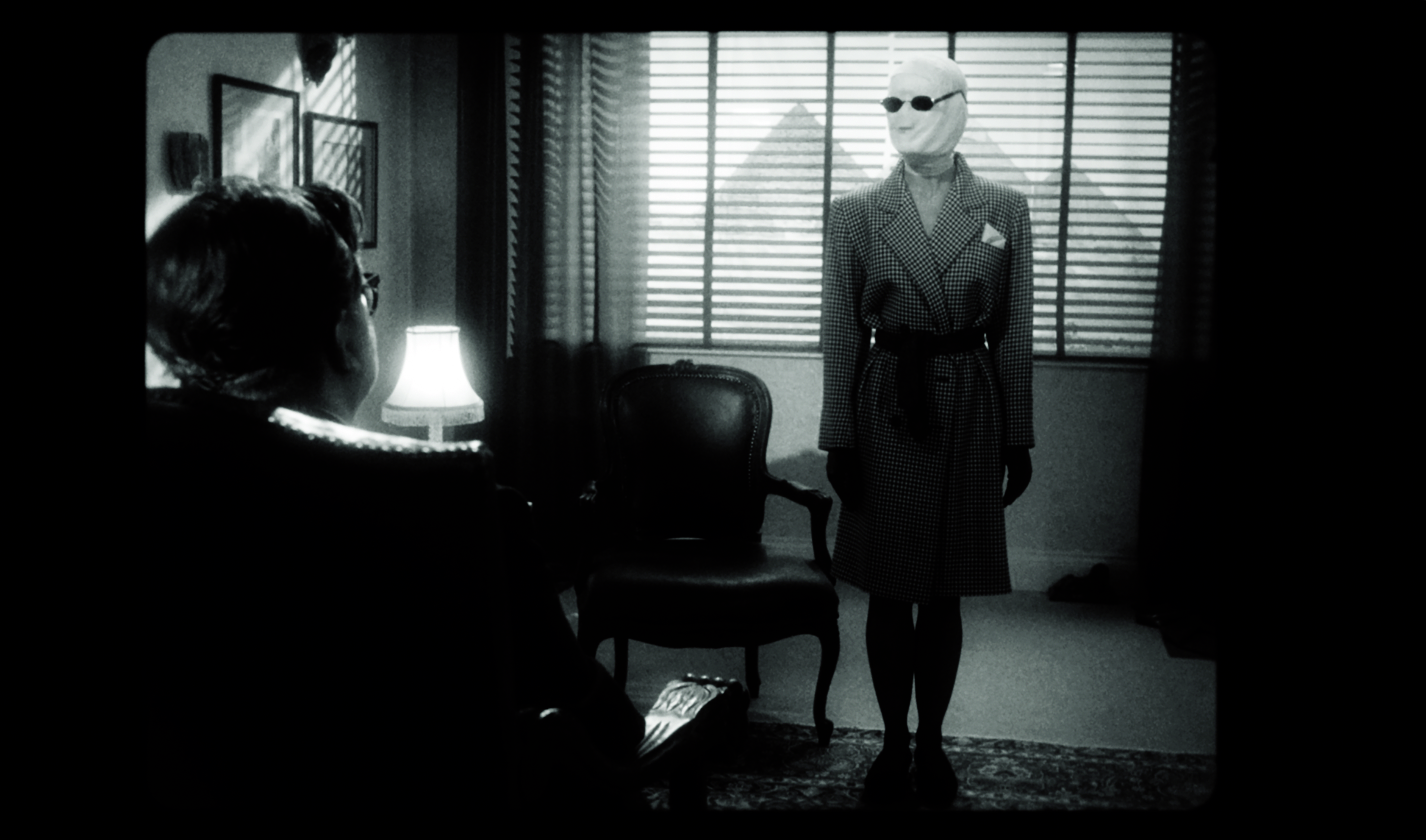
Michelle Williams Gamaker’s Strange Evidence is a genre-bending body horror film noir focusing on 1930s screen star Merle Oberon. As a contracted star for British director Alexander Korda’s London Films, Merle was the so-called “exotic”, playing stereotypical roles. To transition to leading roles, she hid her mixed Sri Lankan, Indian and British heritage, claiming to have been born to white parents in Tasmania, Australia. Behind the scenes, she maintained strict control of her image, relying on make-up, lighting, dermabrasion (a type of intensive skin resurfacing), and skin-bleaching procedures, and passed as white until her death in 1979.
Alternating between colour and black and white worlds, Strange Evidence revisits the cosmetic procedures Merle underwent to maintain this illusion, offering speculative psychoanalysis to unpack the star’s self-censorship—what the artist calls Fictional Healing. The project sensitively explores racial stigma, trauma, and complex decisions shaped by prejudice and restrictive labour conditions, which continue to impact performers today.
Strange Evidence forms the first part of Williams Gamaker's new phase in her Fictional Healing series, following Fictional Activism and Fictional Revenge. It also completes her Critical Affection trilogy (2021–2026), including The Bang Straws (2021), and Thieves (2023).